
Zambia Pushes Responsible Mining and Exploration Reforms at AZMEC Forum in Kitwe
Kabeta Calls for Stronger Governance and Innovation in Zambia’s Mining Sector
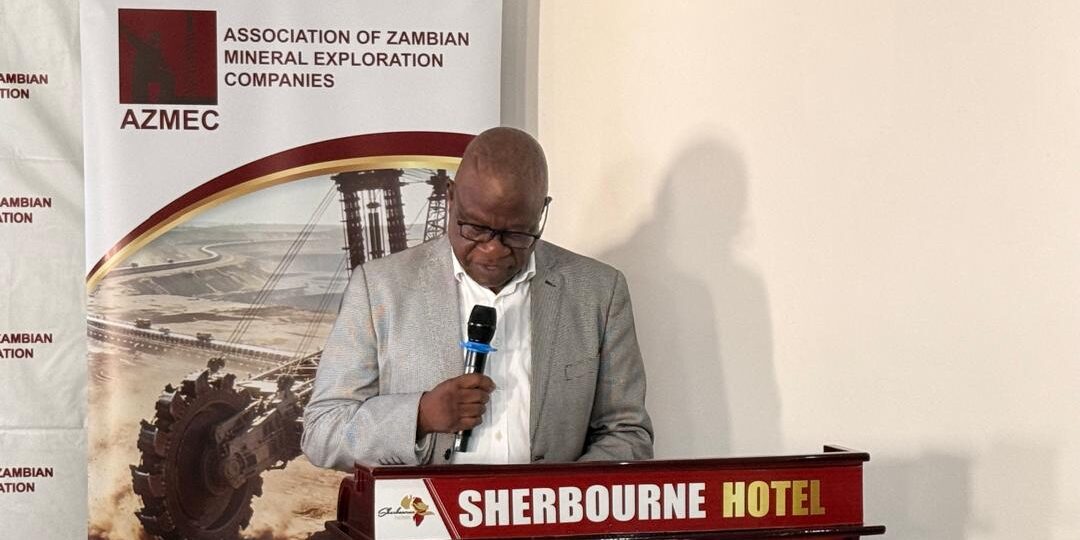
Kitwe, Zambia – Ministry of Mines and Minerals Development Permanent Secretary, Dr. Hapenga M. Kabeta, has called for strengthened governance, technical professionalism, and innovation to secure Zambia’s position as a competitive and sustainable mining hub.
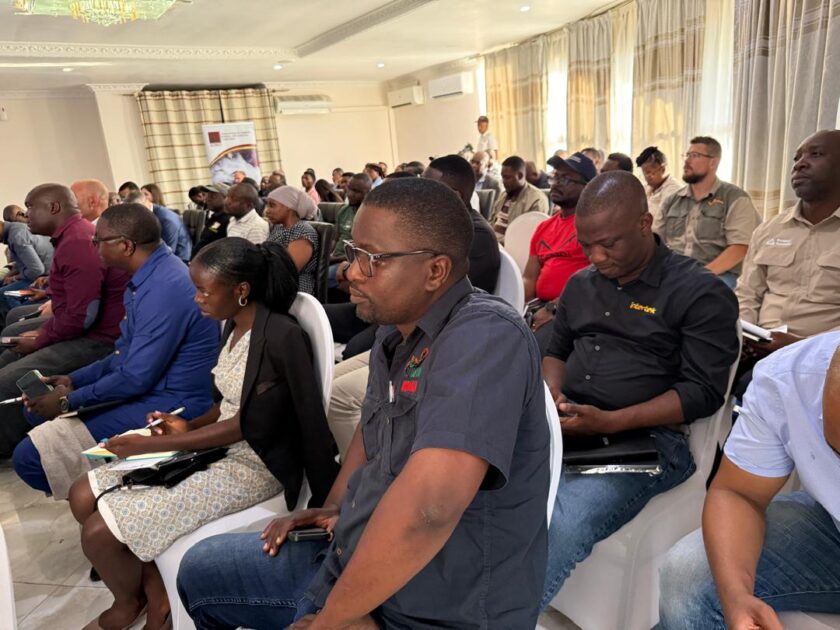
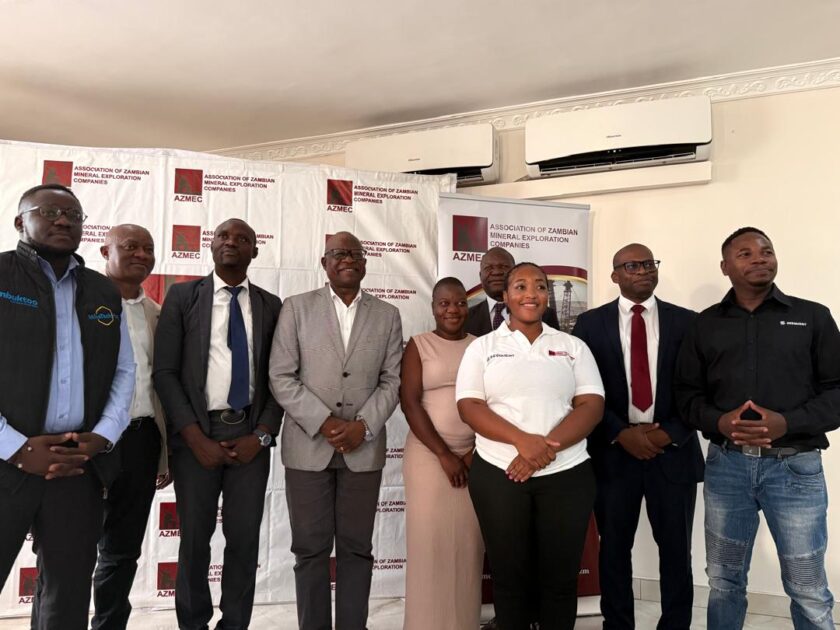
Addressing delegates at the AZEMEC Exploration Forum in Kitwe, Dr. Kabeta underscored the importance of structured dialogue platforms that bring together government, industry, academia, and professional bodies.
Such forums, he said, are vital for aligning strategies, sharing expertise, and shaping policies that respond to global mining trends.
Tribunal as Cornerstone of Accountability
A central theme of his remarks was the Mining Appeals Tribunal, which he described as a pillar of fairness and accountability in the sector.
The tribunal, deliberately structured to combine legal authority with technical expertise, includes seasoned legal practitioners alongside specialists in geology, metallurgy, and mining engineering.
“This multidisciplinary composition ensures that disputes are resolved not only with legal integrity but also with scientific rigor,” Dr. Kabeta noted, adding that independence from commercial interests is key to safeguarding public trust.
Innovation Driving Exploration
Turning to the future, Dr. Kabeta emphasized data-driven exploration and technological innovation as critical to unlocking Zambia’s mineral wealth.
Advances in geological mapping, remote sensing, and digital data systems, he said, are transforming exploration efficiency, reducing risks, and attracting investment.
“The adoption of modern exploration technologies is not optional it is essential if Zambia is to remain competitive in the global mining industry,” he stressed.
Dr. Kabeta also highlighted the government’s commitment to responsible mining practices, pointing to environmental protection, mine rehabilitation, and community engagement as strategic imperatives.
He noted ongoing efforts to strengthen environmental monitoring systems, enforce compliance with safety standards, and promote best practices in waste management.
“Sustainable mining is both a regulatory requirement and a moral obligation. It ensures that mineral resources benefit present and future generations,” he said.
Partnerships and Capacity Building
Collaboration emerged as another key theme. Dr. Kabeta emphasized that partnerships between government agencies, private companies, and research institutions are essential for building technical capacity and fostering innovation.
Such cooperation, he added, accelerates technology transfer, supports workforce development, and enhances competitiveness.
He urged educational institutions to align curricula with industry needs, particularly in geology, metallurgy, mining engineering, and environmental management. “A skilled workforce is the backbone of a resilient mining sector,” he said.
Regulatory Certainty and Investor Confidence
Dr. Kabeta reaffirmed that regulatory certainty and institutional stability remain central to attracting investment.
The government, he said, is reviewing policies to streamline licensing, strengthen transparency, and improve efficiency across regulatory agencies.
“Investor confidence depends on predictability. Our commitment is to maintain a stable, transparent, and investor-friendly environment,” he stated.
Embracing Emerging Technologies
Looking ahead, Dr. Kabeta urged stakeholders to embrace emerging technologies such as automation, artificial intelligence, and advanced data analytics.
These, he said, have the potential to revolutionize exploration and mining processes, improving productivity while minimizing environmental impact.
“Innovation is the lever that will maximize resource recovery, reduce waste, and enhance sustainability,” he explained.
Collective Vision for Growth
Concluding his address, Dr. Kabeta reiterated the importance of continued dialogue and cooperation. Platforms like the AZEMEC Forum, he said, provide opportunities to exchange ideas, identify solutions, and build consensus on policies that support sustainable mineral development.
“The success of Zambia’s mining industry depends on collective effort government, industry, researchers, and communities working together toward responsible resource management and national development,” he said.